In an era where every dollar counts, understanding how inflation affects your loan payments is crucial for financial stability.
Inflation erodes purchasing power, making it harder to afford the same goods and services over time.
This erosion extends to borrowing costs, as lenders adjust rates to protect their returns, leading to higher monthly payments.
When inflation rises, the Federal Reserve often steps in to cool the economy, which indirectly pushes mortgage rates upward.
For homeowners and prospective buyers, this means monthly mortgage payments can skyrocket, putting dreams at risk.
Let's explore the mechanics behind this connection and practical strategies to navigate these challenging times.
Inflation is the steady increase in prices across the economy, driven by factors like consumer demand and supply chain issues.
Lenders anticipate this by raising interest rates on loans such as mortgages to offset the reduced value of future payments.
Key indicators signal inflation trends and influence rate decisions.
When these indicators rise, mortgage rates often follow suit, creating a domino effect on affordability.
Federal Reserve actions play a pivotal role in this process by adjusting the federal funds rate.
This influences short-term borrowing costs, which then affect mortgage rates through mechanisms like adjustable-rate mortgages.
As a result, even a small rate increase can have a significant impact on your monthly budget, turning manageable payments into burdens.
To grasp the severity, consider concrete examples of how rate changes affect payments.
For a $400,000 loan, a 1% increase adds approximately $200 to the monthly principal and interest payment.
This might seem manageable, but cumulative increases can be staggering over time.
From 2021 to 2023, rates surged from historic lows to peaks, dramatically altering the housing landscape.
This table illustrates dramatic shifts borrowers face, emphasizing the need for proactive planning in volatile markets.
History shows that inflation spikes often correlate with mortgage rate surges, providing valuable insights.
In the early 1980s, inflation rates of 10-13% led to mortgage rates exceeding 18%, an extreme case of economic pressure.
More recently, from 2021 to 2022, inflation rates of 5-9% pushed rates from 2.65% to over 7%.
These periods highlight the volatility and long-term effects on housing markets and borrower affordability.
The lock-in effect becomes prominent during such times, as homeowners with low rates hesitate to sell.
This reduces inventory and exacerbates affordability challenges for new buyers, creating a cycle of financial strain.
Looking ahead, experts predict a stabilization rather than sharp spikes in mortgage rates for the coming years.
The 30-year fixed rate is expected to average between 5.5% and 6.0%, with possible highs of 6.5%.
Inflation is anticipated to cool gradually, but risks remain from global events and policy changes.
By monitoring these factors, borrowers can better prepare for potential changes and secure their financial future.
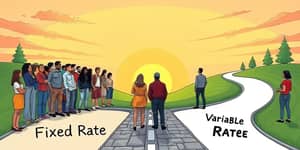
Not all loans respond equally to inflation; understanding the nuances can save you money and reduce stress.
Choosing the right loan type is a strategic decision that can mitigate inflation's bite and provide peace of mind.
Beyond individual payments, inflation triggers wider economic ripple effects that impact everyone.
To combat these challenges, borrowers can adopt several practical strategies to stay ahead.
Proactive financial planning is essential to navigate this complex landscape and protect your investments.
Addressing common concerns can empower borrowers to make informed decisions and reduce anxiety.
By staying informed, you can turn challenges into opportunities for financial growth and resilience.
Inflation may be an economic force beyond your control, but your response to it isn't, and that's where power lies.
By understanding the dynamics between inflation and loan payments, you can make smarter choices that align with your goals.
Embrace strategies that prioritize stability and long-term affordability, ensuring your home remains a sanctuary, not a stressor.
Remember, knowledge is power in the face of financial uncertainty, and action transforms fear into confidence.
With careful planning and vigilance, you can secure your home and peace of mind despite rising rates, building a brighter future step by step.
References