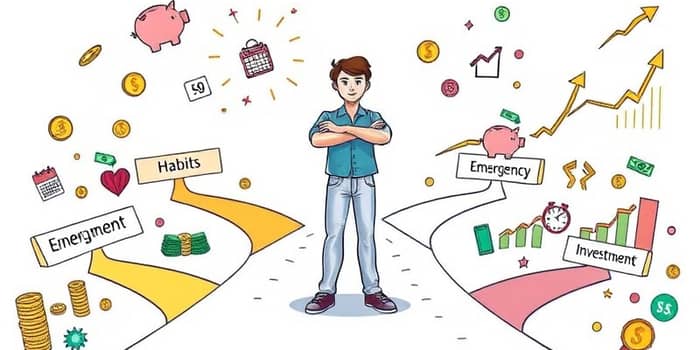
As we step into 2026, refining our financial roadmap is more crucial than ever. With shifting economic conditions and evolving personal aspirations, it’s time to reflect on the past year’s successes and lessons. By embracing a structured approach, you can transform small habits into significant progress and build a resilient savings routine that lasts.
Whether you’re aiming for a dream vacation, preparing for unexpected expenses, or planning for retirement, this playbook offers a clear path from your initial objectives to sustainable growth.
Your journey begins by defining precise targets that guide every action. Use the S.M.A.R.T. framework to shape your intentions:
By committing to pay yourself first before spending, you cement a habit of prioritizing savings over discretionary outlays. Differentiate between short-term goals—such as building an emergency buffer—and long-term aims like a home down payment or retirement nest egg.
Consistency is the backbone of savings success. Leverage technology to reduce friction and remove decisions:
Set up automatic transfers with your bank or employer. Direct deposit a percentage of each paycheck into savings before funds ever hit your checking account.
Activate alerts for low balances or large debits, keeping you informed in real time. Incorporate simple spending controls:
Before cutting costs, understand where your money flows. Review the previous year’s transactions:
List all income streams—wages, freelance work, side hustles—and compare them to recurring expenses. Use the 50/30/20 rule as a guideline: allocate 50% to needs, 30% to wants, and 20% to savings or debt repayment.
Identify and cancel unused subscriptions and recurring expenses that no longer serve you. Regularly review your statements monthly for trends, spotting areas to trim without sacrificing quality of life.
An emergency fund shields you from unforeseen setbacks. Aim to target three to six months of expenses in an FDIC-insured or high-yield savings account. If that number feels daunting, start small—saving even $20 each week builds momentum.
Simultaneously, tackle high-interest debt such as credit cards or personal loans. Reducing these balances not only frees cash flow but also boosts your overall savings capacity.
Separate savings into dedicated accounts—one for short-term goals like vacations, another for emergencies, and a longer-term vehicle for retirement. This clarity prevents accidental overspending.
Whenever you receive bonuses, tax refunds, or pay raises, save portions of every windfall received instead of defaulting to lifestyle inflation. Over time, these contributions compound meaningfully.
With your foundation solid, shift focus to optimizing growth. Review your investment portfolio annually; rebalance to maintain alignment with risk tolerance and timelines.
In retirement accounts, maximize employer 401(k) matching contributions—it’s essentially free money. Consider Roth conversions in low-income years to enhance tax flexibility.
2026 brings notable tax adjustments. The SALT deduction cap sits at $40,000 through 2028, and filers age 65+ gain an extra standard deduction. Consult with a tax advisor to determine if itemizing yields benefits—as only 10% of taxpayers currently do.
Your plan should evolve with life changes—marriage, home purchase, career shifts. Schedule a yearly check-in:
By following this playbook—from goal setting to sustainable growth—you’ll forge a powerful financial habit loop. The blend of automation, disciplined budgeting, strategic debt reduction, and growth-oriented investments ensures you’re prepared for both planned milestones and life’s surprises.
Embrace 2026 as your year of financial empowerment. With intention, consistency, and regular reflection, you’ll transform small deposits into substantial wealth over time. Let this guide be your compass: charted, clear, and committed to growth.
References