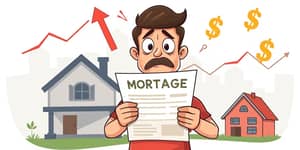
Student loan debt in the United States has ballooned into a crisis, with over 44 million borrowers carrying a collective burden that often feels insurmountable.
This financial weight can delay life milestones, from buying a home to starting a family, leaving many feeling trapped and overwhelmed.
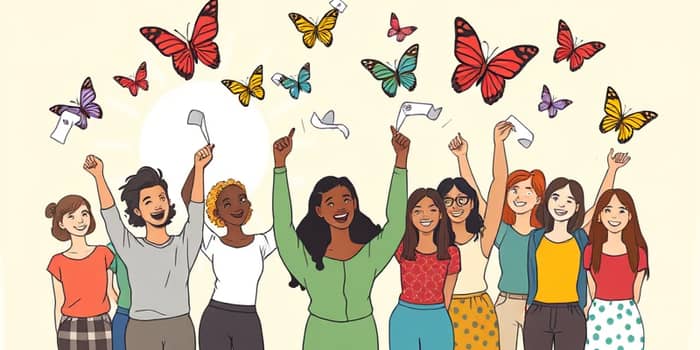
However, there is a beacon of hope: federal loan forgiveness programs designed to wipe out balances entirely for eligible individuals, offering a path to financial freedom and renewed opportunity.
By understanding these programs, you can take control of your debt and move toward a brighter, debt-free future.
Understanding Federal Loan Forgiveness
Federal student loan forgiveness is not a myth; it's a reality for those who meet specific criteria, primarily based on employment, income, or profession.
These programs are part of the government's effort to support public service, education, and healthcare, ensuring that debt doesn't hinder societal contributions.
To access them, you must have federal Direct Loans; if you have FFEL or Perkins loans, consolidation into a Direct Loan is often a necessary first step.
Key programs include Public Service Loan Forgiveness, income-driven repayment plans, and targeted options for teachers and health professionals.
Profession-Specific Forgiveness Options
Many forgiveness programs are tailored to specific professions, recognizing the critical roles these workers play in society.
By combining federal programs with state or specialized aid, you can maximize your debt relief.
- Teachers: Access PSLF, Teacher Loan Forgiveness up to $17,500, Perkins Loan cancellation, and TEACH Grants of $4,000 annually for those in high-need areas.
- Lawyers and Public Defenders: Often eligible for PSLF and state Loan Repayment Assistance Programs (LRAPs), which provide additional funds in states like Arizona, Florida, and New York.
- Health Professionals: Including doctors, nurses, pharmacists, dentists, and physician assistants. They can use PSLF alongside the National Health Service Corps, offering up to $50,000 for two years of service in underserved communities.
- General Public Service Workers: Employees at qualifying government or nonprofit organizations should regularly submit Employment Certification Forms to track progress toward forgiveness.
Discharge Programs for Hardships
Forgiveness isn't limited to employment; certain life events can trigger automatic or application-based relief.
These discharge programs provide crucial support during difficult times, ensuring debt doesn't add to your burdens.
- Total and Permanent Disability Discharge: Full forgiveness if you become disabled during repayment; apply through StudentAid.gov/tpd-discharge for a streamlined process.
- School Closure or Borrower Defense Discharge: If your school shuts down or engaged in fraud, your remaining balance is wiped clean, protecting you from unfair practices.
- Death Discharge: Available for the borrower or their dependents, offering peace of mind and financial relief to families in mourning.
Upcoming Changes in 2026 and Beyond
Legislative updates are set to reshape the forgiveness landscape, making it vital to act quickly to secure benefits.
Key changes include the phase-out of IDR plans and new scrutiny on PSLF employers, which could affect eligibility.
- IDR Phase-Out: For new borrowers from July 1, 2026, with all plans ending by July 2028, transitioning to the Repayment Assistance Plan (RAP) that maintains a forgiveness path.
- PSLF Employer Rules: Starting July 1, 2026, employers involved in illegal activities may be disqualified, with borrowers notified to ensure transparency.
- Parent PLUS Loans: Those taken after July 1, 2026, will not qualify for PSLF or RAP, limiting options for parents supporting education.
- Tax Implications: From 2026, IDR forgiveness may become taxable, while PSLF remains tax-free at the federal level, highlighting the importance of planning.
- Forbearance Limits: Deferments end by July 1, 2027, and forbearance is capped, with loans in forbearance becoming taxable as income from July 1, 2026.
How to Check Your Eligibility
Determining your eligibility involves proactive steps to verify loans, track progress, and stay informed.
- Verify Your Loan Type: Confirm you have federal Direct Loans; consolidate FFEL or Perkins loans if necessary to access forgiveness programs.
- Track Your Progress: Use the PSLF Help Tool on StudentAid.gov and submit annual Employment Certification Forms to ensure payments count toward forgiveness.
- Monitor Key Numbers: Remember benchmarks like 120 payments for PSLF, 5 years for teachers, and 2 years for NHSC service to gauge your timeline.
- Assess Your Profession: Review if you work in a qualifying field or for an eligible employer, as this can unlock additional benefits.
- Stay Updated on Changes: Keep an eye on deadlines, especially with the 2026 transitions approaching, to avoid missing out on opportunities.
Alternatives If You're Ineligible
If forgiveness programs don't apply to you, there are still ways to manage debt effectively and reduce financial strain.
- Extended Repayment Plans: These plans stretch payments over 25 to 30 years, lowering monthly amounts and providing breathing room.
- Income-Driven Repayment Plans: Even without forgiveness, these plans base payments on your income, making them more manageable for low-earners.
- Private Loan Refinancing: This option can lower interest rates, but it means losing federal benefits like forgiveness, so weigh the trade-offs carefully.
- Graduated Repayment Plans: Payments start low and increase over time, useful for those expecting income growth in their careers.
Conclusion: Take Action Today
Loan forgiveness programs offer a tangible way to escape debt, but with upcoming changes, time is of the essence.
Start by checking your eligibility on StudentAid.gov, consulting with your loan servicer, and exploring all options available to you.
By taking these steps, you can secure your financial future and embark on a journey toward a life unburdened by student loans.
Don't let uncertainty hold you back; act now to transform your debt story into one of hope and freedom.