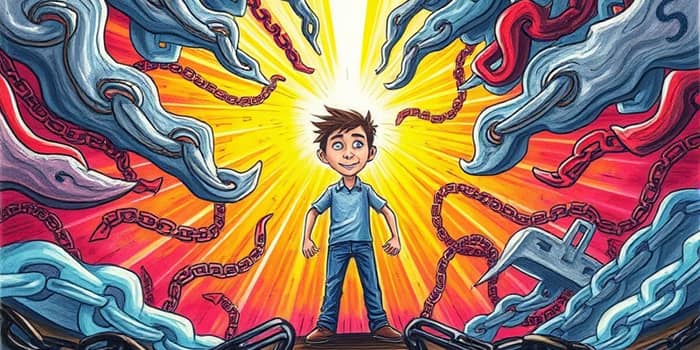
The financial crisis of loan defaults has escalated to alarming proportions since 2025, with student loans at the forefront.
Every nine seconds, a new borrower defaulted in that pivotal year, highlighting the rapid and systemic failures in the lending system.
Understanding these consequences is crucial, as credit damage and personal stories reveal the human toll behind the numbers.
Key statistics from 2025-2026 paint a grim picture of the loan default epidemic.
Surged dramatically, the number of borrowers falling behind has reached staggering levels, affecting millions.
Projections indicate up to 10 million borrowers in or nearing default by Fall 2025, with potentially 13 million by the end of 2026.
These figures underscore a crisis of unprecedented scale that demands immediate attention and action.
Defaulting on loans triggers a cascade of negative outcomes that can cripple financial stability for years.
Credit damage from 90+ days delinquency is reported to agencies, significantly dropping scores, especially for prime borrowers.
Collection fees add to the burden, with servicers charging hefty amounts, leading to abuses that have drawn regulatory fines.
The Treasury Offset Program seizes tax refunds, Social Security benefits, and wages without court intervention, compounding the hardship.
Access to critical resources is also lost upon default, creating barriers to essential life goals.
Borrowers become ineligible for new federal student aid, blocking degree completion and career advancement.
Housing opportunities vanish with disqualification from government-backed mortgages like FHA and VA loans.
Professional licenses can be revoked in some states, affecting careers in fields like nursing or teaching.
Professional and personal fallout is profound and far-reaching, with job loss risk increasing as security clearances and licenses are compromised.
Debt trap scenarios worsen, making it harder to escape financial hardship and leading to personal devastation.
Stories like that of Jay'Riah T. highlight the emotional impact, with borrowers trading off loan payments for basic needs in 42% of cases.
Multiple factors converge to fuel the default epidemic, rooted in policy shifts and systemic failures.
Policy shifts such as the end of payment pauses after five years of non-payment have left borrowers unprepared for resumption.
The elimination of the SAVE plan and introduction of new programs like RAP create uncertainty and payment spikes on income raises.
Servicer failures in processing IDR enrollments delay relief and increase fees, eroding borrower trust.
Confusion cycles from constant policy changes make it difficult for borrowers to navigate the system effectively.
This environment, compounded by historical comparisons showing zero defaults in early 2025, underscores the need for clarity and support.
Despite the challenges, proactive measures can help borrowers avoid default and regain control of their financial futures.
Enroll in income-driven repayment plans to align payments with income, reducing the risk of delinquency.
Seek assistance early from loan servicers or financial counselors to explore options before falling behind.
Stay informed about policy updates and deadlines, utilizing resources from advocacy groups like Protect Borrowers.
Prioritize loan payments to prevent the spiral of debt that leads to default and long-term consequences.
Building a budget that accounts for loan obligations can help maintain financial stability and avoid tradeoffs with basic needs.
The future holds both challenges and opportunities, with policy outlook including potential reforms and institutional efforts to assist borrowers.
Projections suggest up to 13 million borrowers in default by end of 2026, but high-touch outreach programs aim to cure defaults through persistent contact.
Advocacy data pushes for systemic changes to protect vulnerable groups, emphasizing the need for borrower-centric solutions.
Historical comparison shows that this crisis is unique, but with awareness and effort, recovery is possible and achievable.
By understanding the consequences and taking informed steps, borrowers can build financial resilience and work towards a stable future.
Let this knowledge empower you to make proactive decisions, seek help when needed, and navigate the complexities of loan management with confidence.
References