>
Loans
>
Green Loans: Financing Sustainable Living

Green Loans: Financing Sustainable Living

02/12/2026
Yago Dias
Green Loans: Financing Sustainable Living

In a world increasingly focused on sustainability, green loans have emerged as a powerful tool for individuals and businesses to invest in a greener future. Financing sustainable living has never been more accessible or impactful.

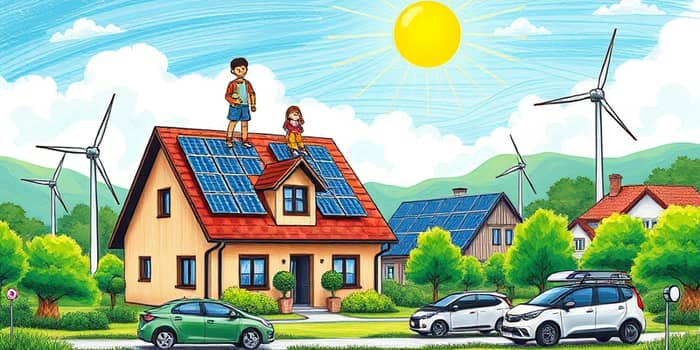
These specialized loans are designed to fund projects that benefit the environment, from installing solar panels to purchasing electric vehicles. By channeling capital towards eco-friendly initiatives, green loans help reduce carbon footprints and promote resource conservation.

The framework for green loans is built on the Green Loan Principles (GLP), which ensure transparency and accountability. Adopted by leading financial associations, these principles guide how proceeds are used and reported.

Understanding Green Loans: Definition and Core Framework

Green loans are a form of sustainable lending where funds must be exclusively used for eligible green projects. This includes areas like renewable energy, energy efficiency, and clean transportation. The GLP outlines four key components that govern these loans.

  • Use of proceeds: All funds must be allocated to green projects.
  • Process for project evaluation: Borrowers assess eligibility and manage environmental risks.
  • Management of proceeds: Funds are tracked separately to ensure proper use.
  • Reporting: Periodic transparency on impact, often verified independently.

This framework helps prevent greenwashing and builds trust. Unlike green bonds, green loans are typically smaller in scale and more accessible for private transactions.

Exploring the Variety: Types of Green Loans

Green loans adapt to various needs, making sustainability achievable for different borrowers. Here are the common types available.

  • Green personal loans: For home improvements like insulation or solar panels.
  • Green home equity loans: Secured by home equity, offering lower rates for energy retrofits.
  • Green auto loans: Specifically for electric or hybrid vehicles.
  • Green commercial loans: For businesses to develop sustainable products.
  • Tranche structures: Loans with a dedicated portion for green projects.

It's important to distinguish green loans from sustainability-linked loans (SLLs), which tie interest rates to broader ESG performance.

Eligible Green Projects: What Can You Finance?

To qualify for a green loan, projects must demonstrate clear environmental benefits. The GLP categorizes eligible projects into several areas.

  • Renewable energy: Installing solar panels or wind turbines.
  • Energy efficiency: Upgrading appliances or retrofitting buildings.
  • Clean transportation: Purchasing electric vehicles.
  • Pollution prevention: Implementing waste management systems.
  • Green buildings: Constructing properties to high environmental standards.
  • Sustainable agriculture: Adopting carbon-reduced practices.

Lenders evaluate projects using frameworks like the IFC's Green Finance Framework, ensuring alignment with global standards.

Benefits of Green Loans: A Win-Win for All

Green loans offer numerous advantages for borrowers, lenders, and the environment. The table below summarizes the key benefits.

  • Lower interest rates through margins or performance ratchets.
  • Larger loan amounts for costly green upgrades.
  • Longer repayment terms for better affordability.
  • Access to tax incentives for eco-friendly investments.
  • Flexibility in funding mixed projects.
  • Positive environmental impact and enhanced ESG credentials.
  • Meeting sustainability goals and attracting ESG-focused investors.
  • Lower funding costs due to green bond market appetite.
  • Opportunities for community reinvestment.
  • Reputation boost through transparent lending practices.

These benefits make green loans an attractive option for those committed to sustainability.

Market Growth and Future Trends

The green loan market is experiencing rapid growth, reflecting a global shift towards sustainable finance. Recent data shows outstanding green loans at $33 billion worldwide.

  • Increased adoption: More financial institutions are incorporating GLP.
  • Focus on carbon management: Trends emphasize net-zero incentives.
  • Enhanced certification: Stricter accountability measures to prevent greenwashing.
  • Role of credit unions: Nonprofit lenders offering community-focused solutions.

By 2026, the emphasis is expected to be on integrating green loans into broader decarbonization strategies.

How to Apply for a Green Loan: Requirements and Processes

Securing a green loan involves specific steps to ensure eligibility and compliance. Here's a guide to the process.

  1. Assess project eligibility: Confirm alignment with GLP categories.
  2. Prepare documentation: Gather certifications or audit reports.
  3. Choose the right loan type: Decide between secured or unsecured options.
  4. Submit application: Provide details on fund use and impact plans.
  5. Undergo evaluation: Lenders review with possible external verification.
  6. Manage proceeds and report: Ensure proper use and submit periodic reports.

Government incentives, such as tax breaks, can further reduce costs and make these loans more accessible.

Comparing Green Loans with Other Sustainable Finance Instruments

Understanding differences can help you make informed decisions. Green loans are project-specific, while other tools serve different purposes.

  • Green bonds: Larger-scale with higher costs but similar green use.
  • Sustainability-linked loans: Reward overall ESG performance.
  • Personal loans for green projects: More flexible but lack structured framework.
  • Green project finance: A broader ecosystem where green loans are an entry point.

Choosing the right instrument depends on your scale, goals, and need for flexibility.

Challenges and Considerations

Despite their benefits, green loans come with challenges that must be navigated.

  • Voluntary nature of GLP: Lenders have discretion in defining "green."
  • Strict use restrictions: Compared to flexible personal loans.
  • Need for transparency: Robust reporting is essential to avoid greenwashing.
  • Growing pains: Ensuring standardization as the market expands.

By addressing these challenges, the green loan market can continue to support sustainable development.

Conclusion: Your Path to a Sustainable Future

Green loans represent a powerful opportunity to align financial decisions with environmental values. Whether you're a homeowner or a business, these loans provide the means to make a real difference. Embrace sustainable living by exploring green loan options and contributing to a healthier planet.

The journey towards sustainability starts with informed choices and actionable steps. Green loans are not just about financing; they're about investing in a legacy of environmental stewardship.

Yago Dias

About the Author: Yago Dias

Yago Dias