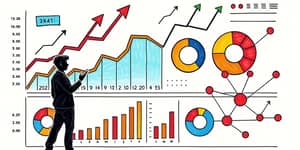
As we navigate the threshold of 2026, leaders and investors confront a world defined by multi-speed growth dynamics and unprecedented technological upheaval. From the United States’ AI-driven surge to Europe’s cautious recovery and China’s export-fueled expansion, the global economy is entering a phase of unequal momentum and complex risks. This article offers a roadmap for finance and strategy professionals aiming to turn uncertainty into opportunity.
Forecasts for 2026 point to modest, uneven global growth, with Goldman Sachs projecting 2.8% expansion above consensus. The United States is expected to outpace peers, thanks to robust AI capital expenditure and supportive fiscal measures. By contrast, Europe may struggle around 1–2% growth, hampered by tight monetary policy and energy constraints. China is likely to achieve approximately 4.5–5% growth driven by exports in electric vehicles and high-tech goods, even as domestic demand remains soft.
Understanding these varied trajectories is critical. Finance teams must align investment plans with regional momentum and prepare for potential shocks. A concise snapshot of growth projections can guide resource allocation and risk assessment:
Artificial intelligence stands at the heart of 2026’s growth story. Firms that harness AI-powered productivity revolution can unlock faster decision cycles, predictive analytics, and automated workflows. However, the path to value realization is fraught with implementation risks and potential valuation corrections in private markets.
To capture AI’s full potential, organizations should embed experimentation within core processes, invest in upskilling, and maintain governance frameworks that balance innovation with oversight. The top macro trends reshaping the landscape include:
Geopolitical tensions and trade disputes are fracturing markets. The United States has raised its effective tariff rate by 15 percentage points, eroding margins across sectors—from software platforms to utilities. Companies must redesign their supply chains for resilience, diversify sourcing, and factor tariff impacts into pricing strategies.
Proactive scenario analysis is vital. Finance teams should stress-test operating models for sudden tariff hikes or supply disruptions, ensuring working capital buffers and contractual flexibilities are in place. By doing so, they can transform fragmentation from a headwind into a competitive differentiator.
Higher-for-longer interest rates and stretched asset valuations have heightened financial fragility from higher rates and elevated default risks. In this environment, traditional budgeting is no longer sufficient. Leading finance functions are shifting to continuous planning and scenario analysis to anticipate inflection points and preserve optionality.
Five key FP&A trends are guiding this transformation:
Energy and infrastructure constraints pose a growing threat to digital expansion. Data centers powering AI workloads face power crunches, forcing firms to optimize energy usage or invest in renewables. At the same time, regulatory frameworks for AI and digital assets are rapidly evolving, creating both compliance challenges and openings for innovators.
Finance leaders must closely monitor policy developments across key jurisdictions. By engaging early with regulators and embedding compliance into product roadmaps, companies can avoid costly disruptions and position themselves as trusted partners in shaping emerging standards.
To thrive in 2026’s shifting terrain, organizations must move beyond reactive measures and embrace long-term strategic adaptation. This involves recalibrating market positioning in light of China’s export surge, Europe’s decoupling dynamics, and regional investment hubs emerging in India and Brazil.
Critical watchpoints for executive teams include:
By weaving these elements into planning cycles and capital allocation frameworks, finance and strategy professionals can build organizations that not only survive but thrive amid complexity. The year 2026 promises both challenge and opportunity; with disciplined foresight and agile execution, leaders will chart a course to sustainable growth and enduring resilience.
References