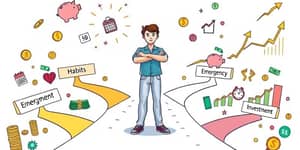
Money matters can feel awkward, but they hold the power to unite families and build lasting trust. With thoughtful dialogue, you can turn tension into teamwork and uncertainty into clarity.
Addressing finances openly creates a foundation of trust and shared purpose. When families align goals and expectations, they navigate challenges together and celebrate victories as one.
Statistics show that an estimated $124 trillion in generational wealth will transfer by 2048. Without clear dialogue, misunderstandings can erode relationships and spark stress.
By normalizing money as a topic, parents give children a valuable gift: healthy lifelong money habits that build confidence and independence.
Before gathering loved ones, invest time in thoughtful preparation. This sets a calm, focused tone and prevents derailment by distractions or emotions.
Every relationship has unique needs. Tailor your approach to partners, children, and elders so conversations feel relevant and supportive.
Effective discussions rely on active listening and empathy. Everyone’s voice deserves respect, and emotions deserve validation.
Use open-ended questions instead of lectures:
Adopt “I” statements to share feelings without blame: “I feel anxious about our credit card balance.”
Agree on actionable steps together—whether it’s automating savings, revisiting subscriptions, or scheduling a monthly check-in.
It’s normal for money talks to feel uncomfortable at first. Acknowledge awkwardness and reassure everyone that progress comes gradually.
When hardships arise—job loss, medical bills—focus on solutions. Explore payment plans, cut discretionary expenses, and seek community resources.
Regular, transparent money conversations yield profound benefits:
By making financial dialogue a habit, you transform stress into collaboration and uncertainty into clarity. Today’s open conversation is tomorrow’s peace of mind.
Take the first step: schedule your family’s next money meeting and watch as transparency, teamwork, and mutual support shape a brighter financial future for everyone.
References