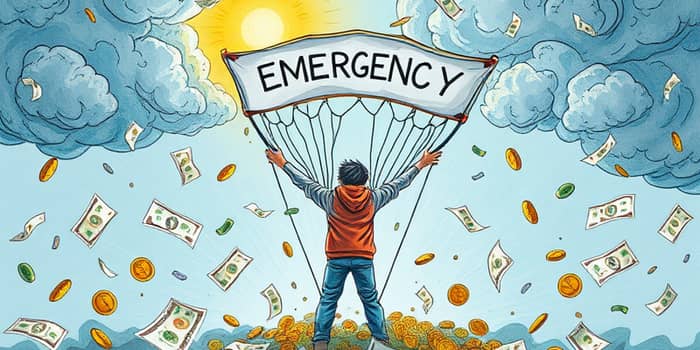
In a world where financial stability can vanish in an instant, having a reliable backup plan is essential. Emergency loans provide quick access to cash during life's most stressful moments, acting as a lifeline when unexpected crises strike.
From medical emergencies to sudden car repairs, these loans are designed to cover urgent expenses that savings might not reach. With options for various credit scores, they offer hope to those facing financial turmoil, but they come with risks that require careful navigation.
Understanding the landscape of emergency loans is crucial to avoid pitfalls. High rejection rates and predatory lenders can turn a temporary solution into a long-term burden, making it vital to arm yourself with knowledge.
Emergency loans are short-term financing options aimed at addressing sudden financial needs. They provide immediate funds for situations where traditional savings fall short, helping individuals and businesses weather unexpected storms.
These loans can come from banks, credit unions, online lenders, or government programs, often with fast approval processes. This speed is a key advantage in true emergencies, allowing you to act quickly when time is of the essence.
People turn to emergency loans for a variety of urgent reasons. Here are some frequent personal triggers:
For businesses, emergencies often involve equipment breakdowns or disaster recovery efforts. These scenarios highlight the diverse uses of emergency funds, emphasizing their role as a financial safety net.
Choosing the right type of loan is critical to managing your financial health. Below is a table summarizing the main options available:
This table helps you compare options at a glance. Understanding these differences can save you from costly mistakes and guide you toward safer choices.
Emergency loans come with several benefits that make them a valuable resource in crises:
These pros make emergency loans a viable solution for many. However, they are not without drawbacks, and it's important to weigh them carefully.
It's crucial to be aware of the potential downsides before committing to a loan:
These cons highlight the need for caution. Always read the fine print, compare offers, and consider if a loan is truly necessary.
Recent data reveals significant challenges in accessing emergency loans:
These statistics underscore the access gaps in the financial system. They show why financial literacy and alternative strategies are so crucial for resilience.
Before opting for a loan, explore these safer options to manage financial emergencies:
Exploring these alternatives first can prevent debt traps and preserve your financial health, giving you more control over your situation.
Applying for an emergency loan involves several practical steps to increase your chances of success:
Being prepared can streamline the process and help you secure the funds you need more efficiently, reducing stress during crises.
Emergency loans can be a powerful tool in your financial arsenal, but they require smart and cautious management. Use them wisely to navigate crises without falling into deeper debt, always keeping your long-term goals in mind.
Remember, financial literacy is your best defense against uncertainty. Educate yourself on borrowing options, plan ahead with savings, and seek help from trusted sources when needed.
As Tyler Kramer of Swipe Solutions aptly said, "Millions are one emergency away from catastrophe." Let's work towards a future where everyone has access to safe and affordable financial support, empowering individuals to weather any storm with confidence and resilience.
References